Unraveling Intersections of Assistance Channels and Prize Ladders in App-Driven Competition Formats
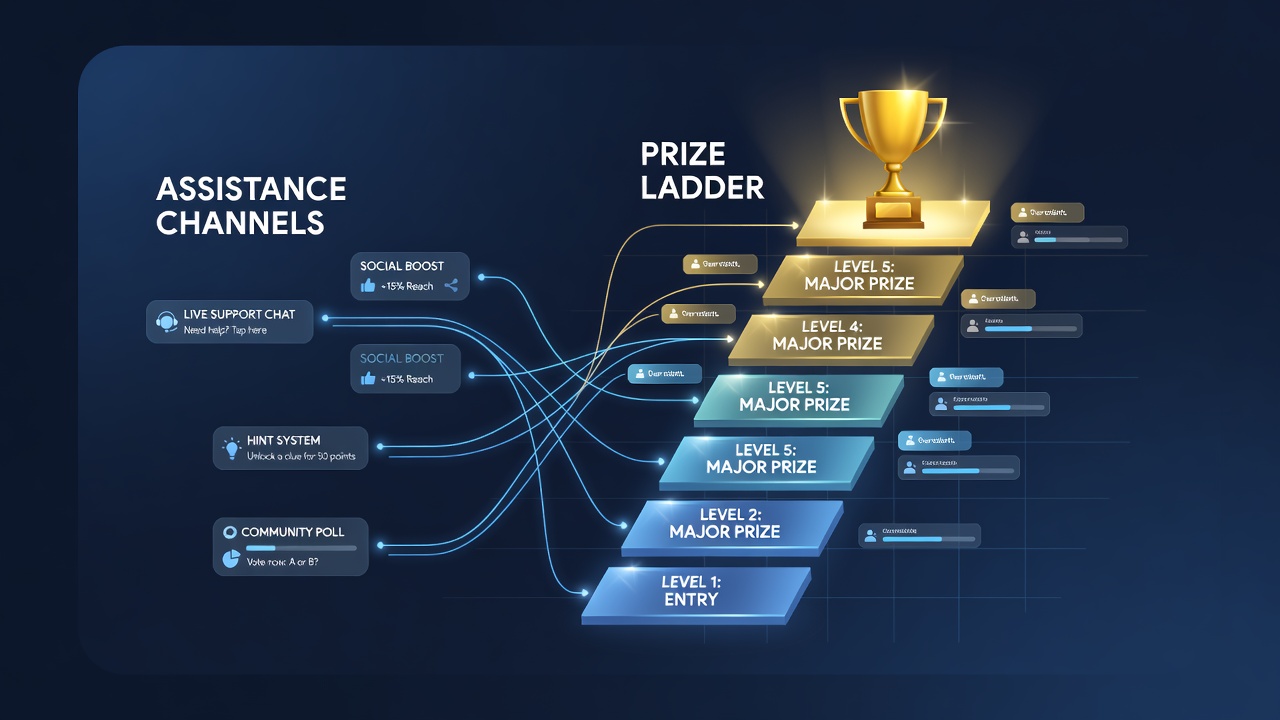 App-driven competition formats have expanded rapidly over recent years, and observers note that assistance channels now connect directly with prize ladders in ways that shape user progression through structured reward systems. These intersections appear across mobile platforms where support interactions feed into tier advancement mechanics, creating pathways that users navigate while pursuing competitive outcomes. Research indicates that assistance channels typically include in-app messaging, live chat functions, and email support desks that operate around the clock in many jurisdictions. Data from industry reports shows these tools handle queries ranging from account verification to rule clarifications, and they often log user activity that later influences eligibility for ladder-based rewards. Prize ladders function as sequential achievement structures in which participants advance through levels by meeting point thresholds or completion milestones. Figures reveal that each rung usually unlocks incremental benefits such as bonus entries, enhanced multipliers, or exclusive event access, and developers design these systems to retain engagement over extended periods.
Mapping Support Integration Points
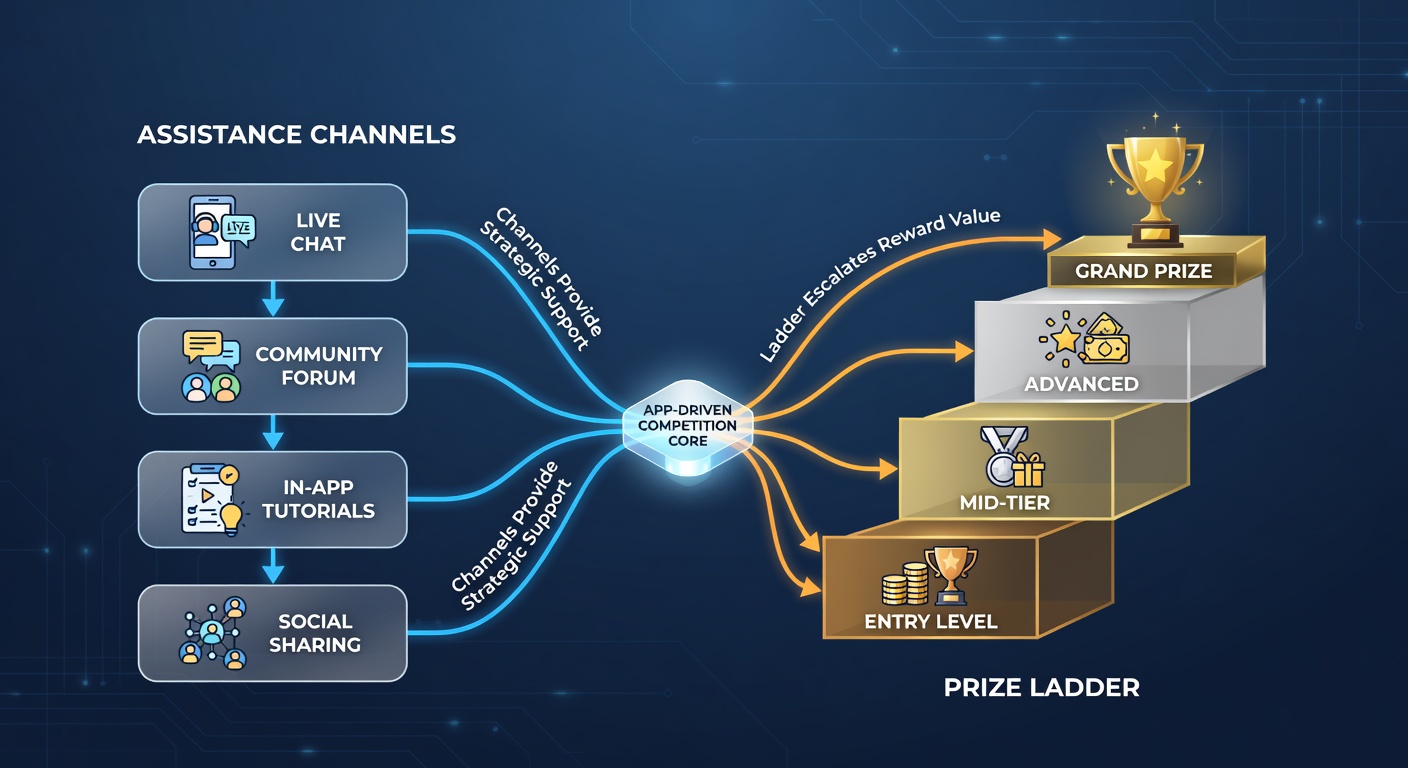
Those who study platform architecture find that assistance channels intersect with prize ladders at several defined points. When users encounter technical barriers during competition rounds, support resolution times can determine whether progress toward the next tier remains intact or stalls. System logs from these exchanges sometimes feed automated scoring adjustments that keep ladder standings accurate.
Platform operators in various regions have implemented protocols where support staff verify qualifying actions before they register on leaderboards. This process ensures that disputed results receive review without disrupting overall competition flow, and it ties directly into the data streams that calculate ladder positions.
Regional Trends Through Mid-2026
Market analyses project that mobile competition participation will continue evolving through June 2026, with certain segments showing stabilization after earlier expansion phases. Reports compiled by regulatory bodies indicate that North American and Australian markets have seen steady adoption rates for tiered reward structures integrated with support networks, while operators refine how assistance data influences prize eligibility.
One study released by the American Gaming Association highlighted how user support interactions correlate with retention in competitive ladders across multiple app formats. The analysis examined transaction records and support ticket volumes to identify patterns where resolved issues accelerated tier advancement for participants who maintained consistent activity.
Technical Mechanisms Behind the Connections
Developers utilize API linkages that allow support systems to update prize ladder databases in real time. When a user submits a ticket regarding a missed competition entry, the resolution process can trigger an automated credit to their current tier position once verification completes. This mechanism reduces manual intervention while maintaining audit trails required by oversight agencies.
Security protocols play a role as well. Multi-factor authentication steps often route through assistance channels before users gain access to higher ladder segments that involve larger prize pools. Canadian regulatory frameworks, administered through bodies such as the Alcohol and Gaming Commission of Ontario, require these verification layers to protect both participants and platform integrity during competitive events.
Case Observations in Practice
Take one documented rollout in which an app operator introduced a combined support and ladder dashboard. Participants who accessed live chat during active tournaments received immediate guidance on rule interpretations, and those exchanges generated timestamped records that the system cross-referenced against ladder criteria. The outcome produced measurable increases in completed tiers without altering the underlying point structures.
Another instance involved a sweepstakes-style competition format where email support handled documentation submissions for tier qualification. Processing times directly affected when users unlocked subsequent levels, illustrating how assistance channel efficiency translates into tangible movement along prize pathways.
Future Considerations for Platform Design
Industry organizations continue to examine how these intersections evolve as competition formats incorporate more real-time elements. Data indicates that tighter integration between support logs and ladder algorithms can streamline user experiences while satisfying compliance requirements across jurisdictions. Observers note ongoing refinements in how platforms balance automated responses with human-assisted interventions to support progression mechanics.
Conclusion
Assistance channels and prize ladders in app-driven competition formats demonstrate clear operational linkages that influence participant advancement. Evidence from regulatory reports and platform analyses shows these connections operate through verified data flows, structured protocols, and regional compliance standards. As mobile competition environments develop through 2026 and beyond, the documented patterns suggest sustained attention to how support interactions align with tiered reward systems.