Tracing Encrypted Payment Flows to Real-Time Table Successes in Mobile Loyalty Ecosystems
Vera Reed · Aug 26, 2026
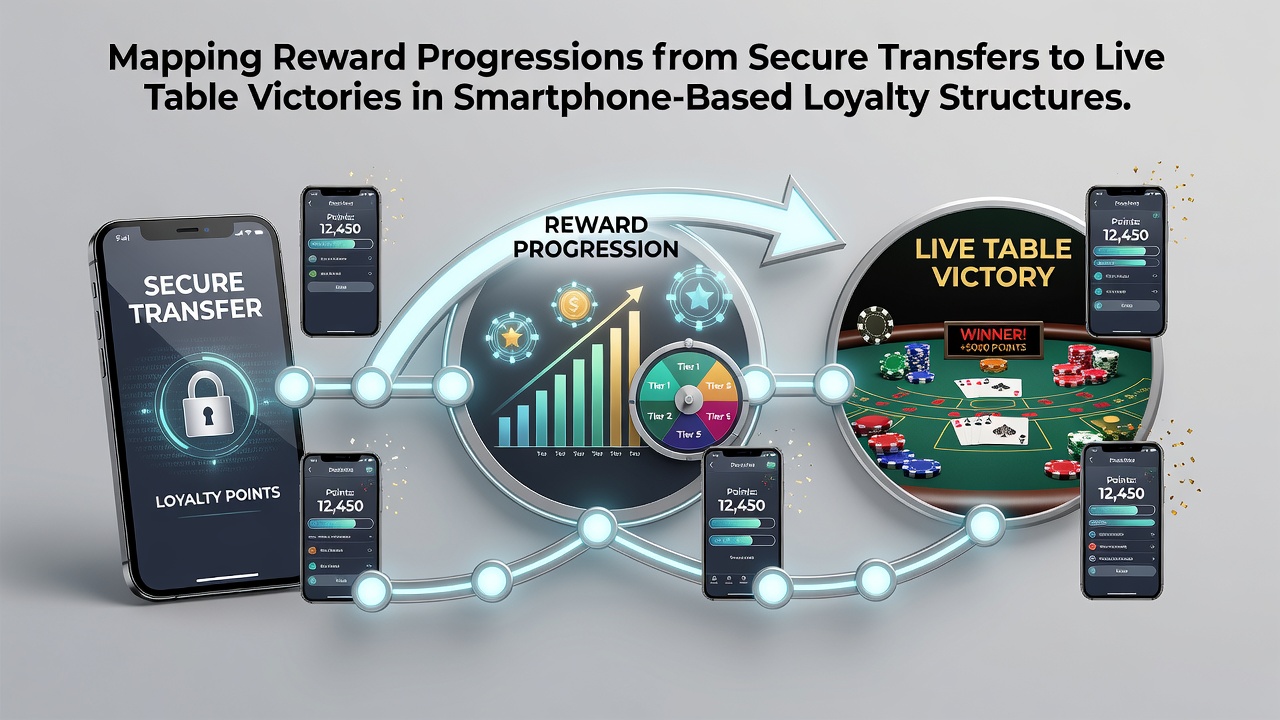
Tracing Encrypted Payment Flows to Real-Time Table Successes in Mobile Loyalty Ecosystems
Secure digital transfers form the foundation for reward accumulation in smartphone-based loyalty structures, where encrypted payment gateways connect directly to tiered point systems that users activate through verified accounts. Data from industry reports show these pathways enable seamless movement from initial deposits to progressive benefits that unlock access to live dealer environments. Researchers tracking mobile gaming patterns note that encryption protocols maintain transaction integrity while simultaneously logging activity toward loyalty milestones, creating traceable chains from banking apps to in-game dashboards.
Initial Transaction Mapping and Point Allocation
Payment processors integrate with loyalty platforms through APIs that record each transfer as a base unit for reward calculation, and analysts at regulatory bodies such as the Nevada Gaming Control Board have documented how these records feed into algorithms that assign points according to deposit volume and frequency. Users complete verification steps that link bank details to profiles, after which systems credit accounts within seconds, allowing immediate progression along loyalty ladders. Figures released in August 2026 indicate steady increases in such integrated transactions across multiple jurisdictions, reflecting broader adoption of mobile-first reward models.
Loyalty Tiers and Advancement Mechanics
Tiered structures categorize participants based on cumulative activity, with entry levels granting basic perks and higher brackets unlocking enhanced features including priority seating in live table sessions. Observers at research institutions note that advancement requires consistent engagement metrics, such as total transferred amounts combined with session durations, which platforms convert into status elevations through automated tracking. Those who study these systems find that transparent rules govern point expiration and redemption, ensuring participants understand requirements for moving from bronze to platinum equivalents in smartphone applications.
Live table integrations appear once users reach mid-tier thresholds, where secure transfer histories demonstrate reliability that platforms reward with direct entry to real-time dealer interactions. These transitions rely on synchronized databases that update loyalty status across devices without interrupting ongoing play.
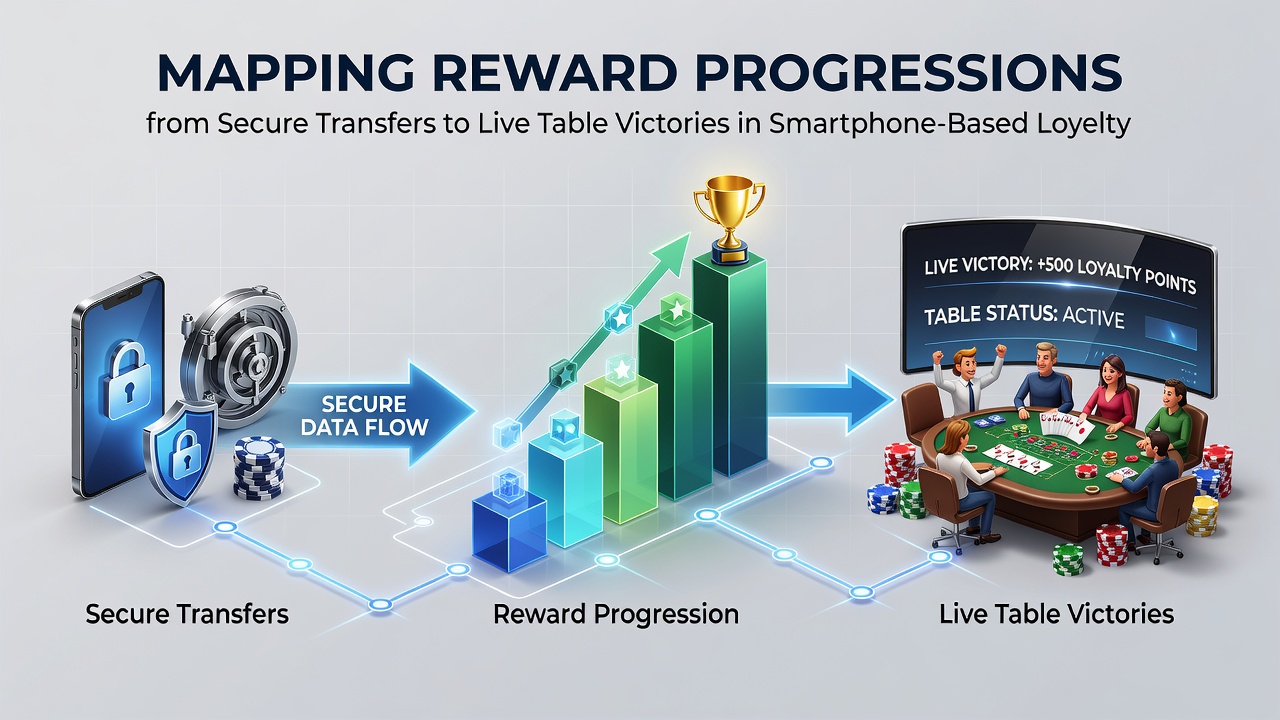
Transition Pathways to Live Dealer Environments
Once loyalty points accumulate sufficiently, platforms route participants toward live table modules where real-time interactions replace simulated games, and data indicates higher engagement rates among users who follow mapped reward sequences. Secure transfer records serve as prerequisites that verify account standing before granting access, reducing friction during the shift from static slots to interactive dealer sessions. Studies compiled by the Australian Institute of Gambling Research highlight correlations between verified payment histories and sustained participation in these live formats.
Victory conditions in live tables feed back into the same loyalty frameworks, converting wins into additional points or tier accelerations that close the progression loop. Participants receive instant notifications on their devices confirming both game outcomes and updated reward balances, maintaining continuity across sessions.
Data Patterns Observed in August 2026
Recent metrics compiled during August 2026 reveal expanded usage of these mapped pathways, with transaction volumes supporting loyalty programs showing measurable growth in regions with established mobile gaming regulations. Industry organizations such as the American Gaming Association have published summaries detailing how secure transfer volumes correlate with live table participation rates. Those examining the figures note regional variations, where jurisdictions with streamlined verification processes report faster tier advancements.
Additional analysis from academic sources including reports issued by the Responsible Gambling Council in Canada examines how these systems balance reward incentives with responsible play features embedded in the apps. Patterns show that users progressing through the full chain from transfers to live victories often maintain longer account activity spans compared with those engaging only in isolated game types.
Conclusion
The interconnected elements of secure transfers, tiered loyalty accumulation, and live table access create structured progression routes within smartphone environments, supported by ongoing data collection that refines allocation algorithms. Regulatory updates and research summaries continue to inform how these mappings evolve, providing participants with defined routes from initial deposits through to competitive outcomes in real-time settings.