Navigating Incentive Pathways Through Competitive Events and Assistance Networks in App-Based Prize Systems
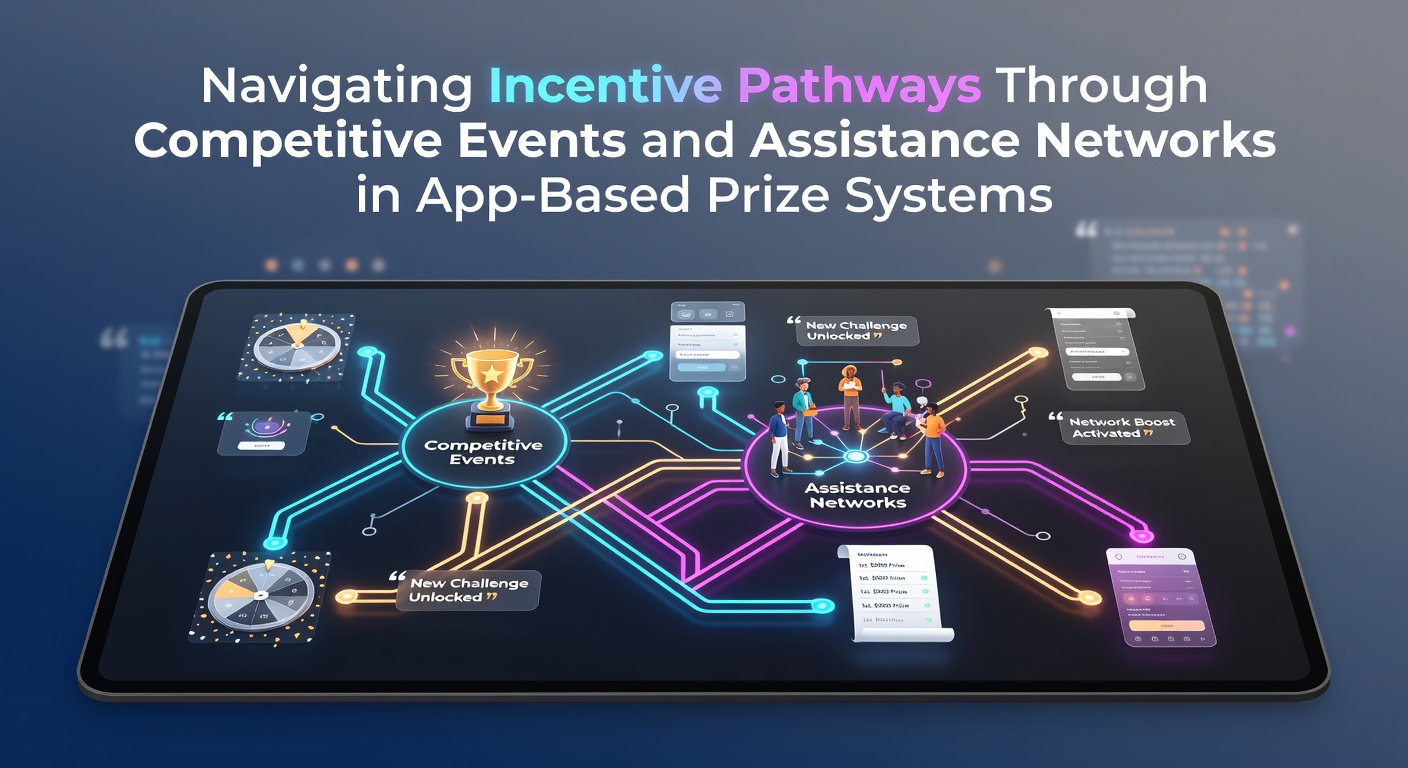
App-based prize systems have expanded significantly in recent years, creating structured pathways where participants advance through competitive events while drawing on assistance networks for support. These platforms integrate leaderboards, challenge modes, and reward tiers that respond to user activity levels, with data from industry reports showing participation growth across multiple regions. Observers note that users often combine direct competition with collaborative features such as group challenges or referral systems to accelerate progress toward prizes.
Core Mechanics of Competitive Events
Competitive events within these systems typically feature timed challenges, point accumulation rounds, and tiered qualification stages that determine prize eligibility. Researchers have documented how algorithms adjust difficulty based on historical performance data, ensuring that participants encounter progressively demanding tasks. In June 2026 several platforms introduced cross-regional tournaments that synchronized leaderboards across time zones, allowing users from different continents to compete simultaneously while maintaining separate regional assistance pools for localized guidance.
Events often incorporate real-time feedback loops where scores update instantly and trigger notifications about upcoming opportunities. Those who've analyzed usage patterns find that successful navigation depends on timing entries during peak activity windows when assistance networks provide the most active support through shared strategies and resource exchanges.
Role of Assistance Networks
Assistance networks operate through in-app forums, mentorship pairings, and community-driven resource sharing that supplement individual competitive efforts. Data indicates these networks reduce dropout rates by providing tactical advice on event selection and reward redemption sequences. Government agencies in various jurisdictions have examined how such networks influence user behavior, with the Australian Competition and Consumer Commission publishing guidelines on transparency requirements for reward distribution in networked environments.
Participants frequently form smaller subgroups within larger platforms to exchange information about optimal pathways, and studies reveal that these clusters correlate with higher completion rates for multi-stage competitions. The networks also facilitate transfers of virtual credits or hints that help newcomers bypass initial learning curves without violating platform rules.
Integration of Transfers and Security Protocols
Secure transfer mechanisms form a critical layer in these systems, enabling the movement of earned incentives between accounts or network members under verified conditions. Platforms employ encryption standards and multi-factor authentication to protect these exchanges, according to technical documentation from multiple providers. In practice, users combine transfer features with competitive milestones to consolidate resources before major events, creating efficient pathways that maximize prize potential.
What's notable is how regulatory frameworks in Canada and the European Union have shaped these protocols, requiring clear audit trails for all transfers. This has led developers to embed compliance checkpoints directly into the navigation interfaces, so participants encounter prompts that confirm eligibility before completing any exchange.
Regional Developments and Data Trends
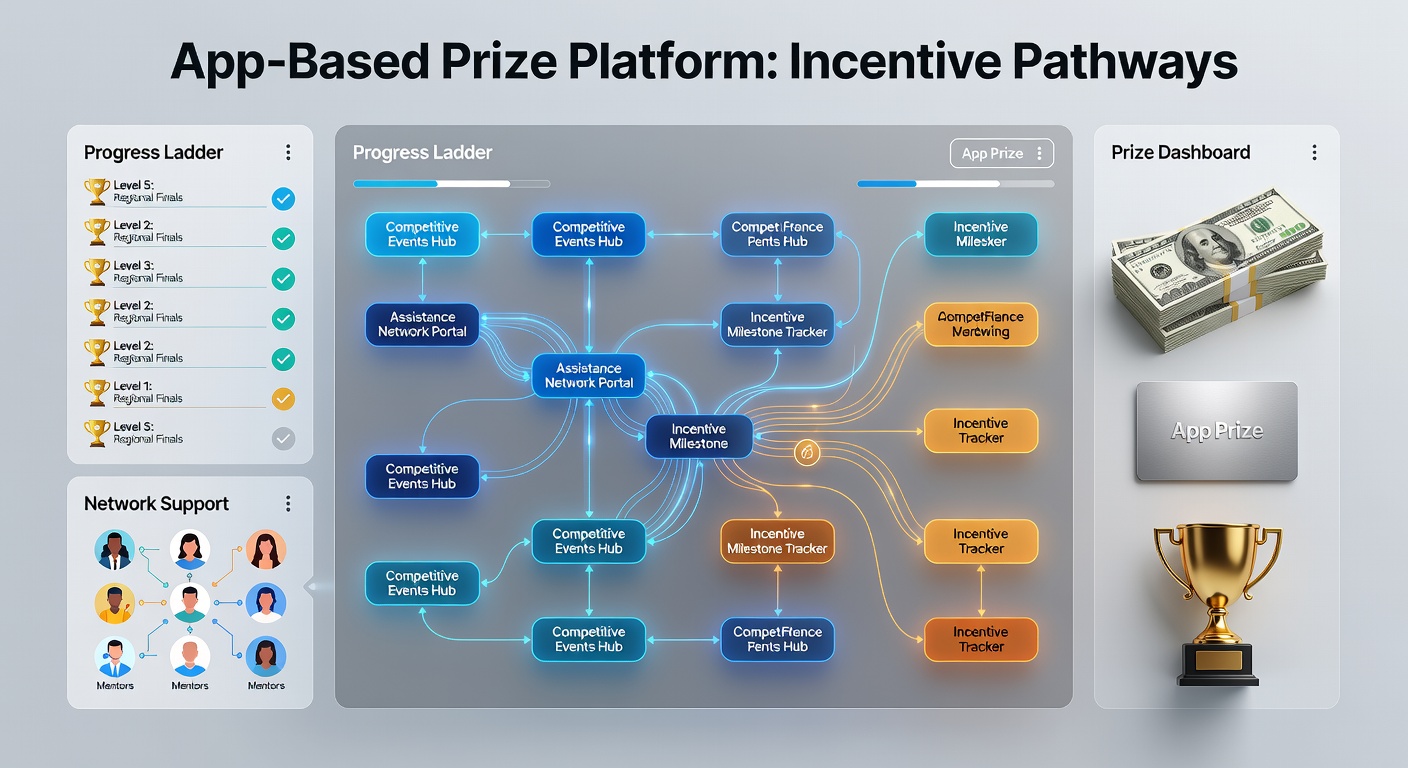
Market analyses from June 2026 highlight increased adoption in North America and Asia-Pacific regions, where app downloads for prize-oriented platforms rose steadily. Figures from research institutions show that competitive event participation accounts for the majority of engagement time, while assistance network features drive retention among newer users. One study released by a European research consortium found that integrated network tools increased average session duration by measurable margins across tested applications.
Platforms continue to refine incentive structures by analyzing aggregate data on which events yield the highest network-assisted success rates. Observers point to emerging patterns where hybrid models blend solo competitions with team-based assistance, producing more stable progression curves for participants who engage both elements consistently.
Future Considerations in Pathway Design
Developers are exploring additional layers such as predictive analytics that suggest optimal event sequences based on individual network strength and past performance. These tools aim to streamline navigation while preserving competitive integrity. Regulatory bodies continue to monitor how assistance features interact with prize distribution, ensuring alignment with consumer protection standards across jurisdictions.
Conclusion
App-based prize systems demonstrate clear structures where competitive events and assistance networks intersect to shape user progression. Data from multiple sources confirms that secure transfers and tiered designs support these pathways, with ongoing refinements driven by participation metrics and regulatory input. Those monitoring the space in June 2026 and beyond will likely see continued evolution in how these elements combine to define accessible routes through prize ecosystems.