Mapping the Links Between Secure Transfers, Tiered Loyalty Structures, and Real-Time Game Interactions in Handheld Prize Chasing Scenarios
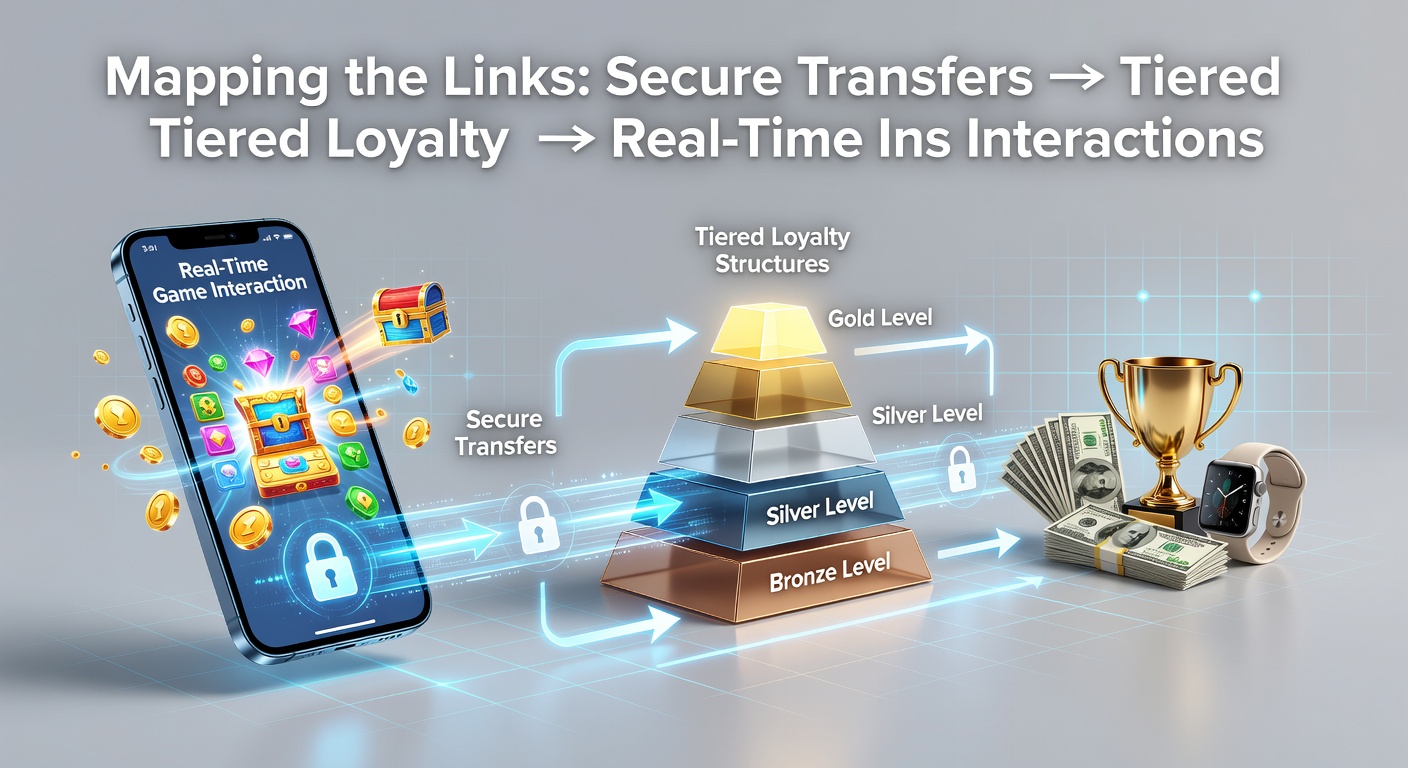
Secure transfers sit at the foundation of handheld prize chasing as they move funds instantly between player accounts and game platforms while encryption protocols shield each step from interception. Data from industry reports indicate these systems process millions of micro-transactions daily and connect directly to loyalty tracking modules that record every deposit and withdrawal. Observers note that when transfers complete without delay players accumulate points faster which feeds into tiered structures that unlock escalating benefits across mobile sessions.
Secure Transfers as the Enabling Layer
Payment gateways designed for handheld environments rely on tokenization and multi-factor authentication to verify each move in real time. Research indicates that platforms integrating these gateways see higher completion rates for prize events because users spend less time waiting for confirmations and more time inside active games. Those who've studied transaction logs across multiple operators find that seamless transfers correlate with extended play periods especially when rewards appear immediately after each round concludes.
Yet the same infrastructure also supports compliance checks required by regulatory bodies such as the Nevada Gaming Control Board where every transfer leaves an auditable trail. This linkage means loyalty points earned through play can trigger automatic tier upgrades without manual intervention while the underlying security remains consistent across devices.
Tiered Loyalty Structures and Their Data Flows
Loyalty programs in mobile prize scenarios divide players into ascending levels that grant access to better multipliers, exclusive real-time events, and faster support channels. Figures reveal that operators track participation metrics continuously so that points earned from secure transfers convert into tier progress without gaps. One study revealed that players who reach mid-tier status within the first month tend to maintain activity longer because the system surfaces personalized game suggestions based on their transaction history.
What's interesting is how these tiers interface with live interaction tools such as instant leaderboards and chat features that update during active rounds. Data shows higher-tier accounts receive priority placement in real-time competitions which in turn drives additional transfers as users chase better positions. Researchers discovered that this feedback loop strengthens when loyalty dashboards display both current tier status and pending rewards earned from recent secure movements.
Real-Time Game Interactions as the Dynamic Connector
Handheld prize chasing gains momentum through live elements that react to player actions within seconds including synchronized slot spins, dealer streams, and competitive leaderboards. Evidence suggests these interactions depend on the same secure transfer rails that fund entries and on loyalty data that determines eligibility for premium tables or boosted prize pools. Experts have observed that when real-time features align with tier benefits users complete more transactions per session because the visible progress encourages continued participation.
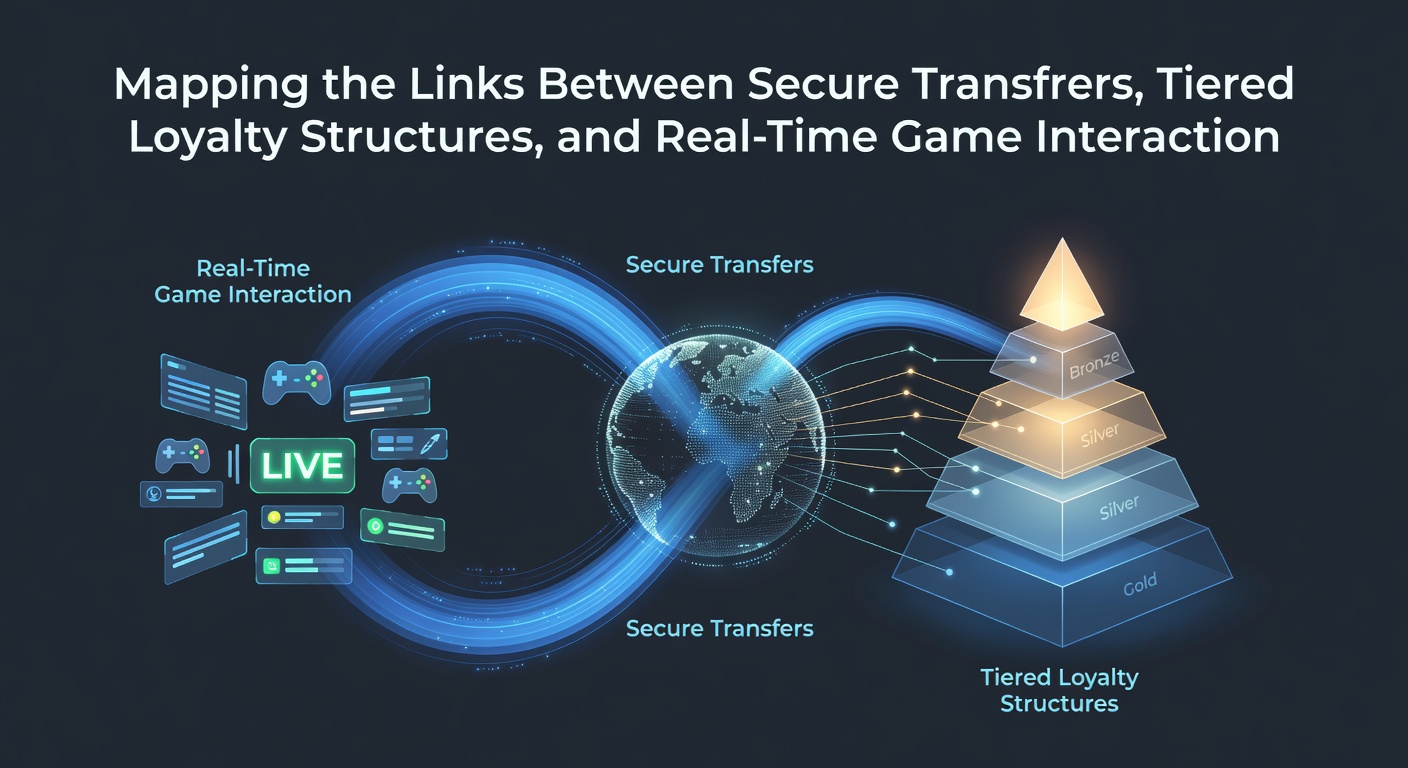
Turns out the technical architecture routes interaction data back through the same servers that handle loyalty calculations and payment confirmations. This creates a unified record where each live action influences both tier advancement and future reward availability. According to reports from the Australian Gambling Research Centre such integrated systems help operators maintain consistent engagement metrics even during peak activity windows in May 2026 when new mobile titles launch frequently.
Interconnections Across the Three Elements
The three components operate as a single ecosystem rather than isolated features. Secure transfers supply the capital that fuels play, loyalty tiers convert that activity into status, and real-time interactions provide the immediate feedback that keeps users inside the loop. Industry organizations including the Canadian Gaming Association have documented how these connections reduce friction points that previously caused session drop-offs. Observers note that when any single element lags the others compensate less effectively which can limit overall prize pursuit efficiency.
Take one operator who implemented unified APIs across payments, loyalty, and live modules in early 2026 and recorded measurable increases in cross-session activity. The architecture allows tier status to influence which real-time events appear first while each completed transfer updates both loyalty balances and interaction eligibility in a single cycle. This design choice keeps the experience fluid across different handheld devices and network conditions.
Operational Patterns Observed in May 2026
Current deployments show that handheld platforms handling high volumes of prize events route all three systems through centralized data hubs. These hubs process loyalty updates alongside live interaction logs and payment confirmations without introducing noticeable latency. Research indicates that operators who synchronize these flows report steadier player retention across different geographic markets where regulations vary on transaction speed and reward visibility.
Yet challenges remain around scalability when simultaneous live events coincide with large transfer spikes. Those who've examined server logs during such periods find that pre-cached loyalty data helps maintain real-time responsiveness even when payment verification queues lengthen briefly. The pattern holds across multiple device types which suggests the linkage model scales effectively for expanding user bases.
Conclusion
The mapping of secure transfers, tiered loyalty structures, and real-time game interactions reveals a tightly coupled system that drives handheld prize chasing. Each element reinforces the others through continuous data exchange that converts deposits into status and status into enhanced live participation. Reports from regulatory and research sources continue to track how these connections evolve as operators refine their mobile offerings throughout 2026 and beyond.