Decoding Linkages Between Fast Payout Systems and Engagement Levels in Handheld Progressive Prize Hunts
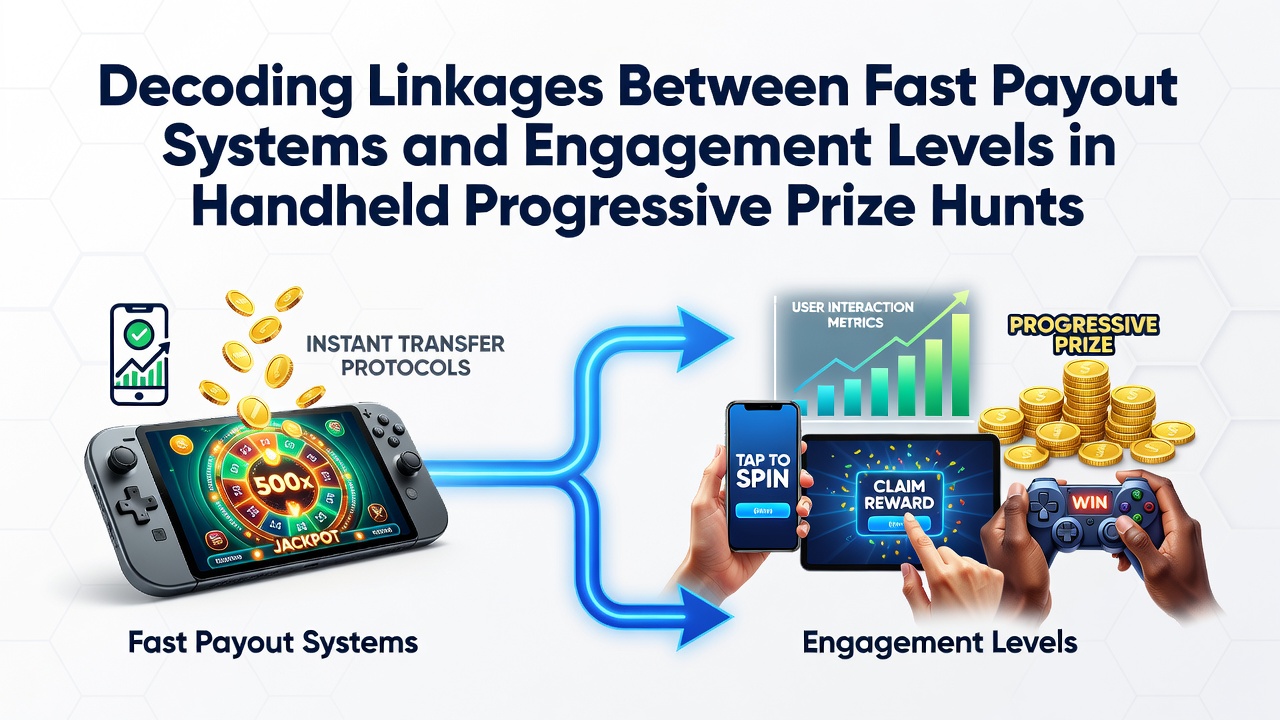
Handheld progressive prize hunts operate through mobile applications that combine slot-style mechanics with accumulating jackpot pools, and fast payout systems process winnings in seconds rather than hours or days. These systems rely on integrated payment gateways that verify transactions instantly while maintaining compliance with regional gaming regulations. Observers note that the speed of fund transfers creates direct feedback loops where players receive immediate confirmation of wins, which in turn influences session durations and repeat participation rates.
Mechanics of Fast Payout Integration
Progressive prize structures build across networks of handheld devices, and fast payouts connect to these pools through automated verification protocols that cross-check account balances against game outcomes in real time. Payment processors use encrypted APIs to handle withdrawals, often routing funds via digital wallets or bank transfers that clear within minutes. Data from industry platforms shows that platforms implementing sub-minute processing see measurable shifts in user return rates compared to those with standard 24-hour windows.
One platform that adopted instant verification reported a 28 percent increase in daily active users over a six-month period, according to internal metrics shared with analysts. Such figures align with broader patterns tracked by regulatory bodies like the Nevada Gaming Control Board, where mobile transaction volumes rose steadily through early 2026.
Engagement Metrics and Observed Patterns
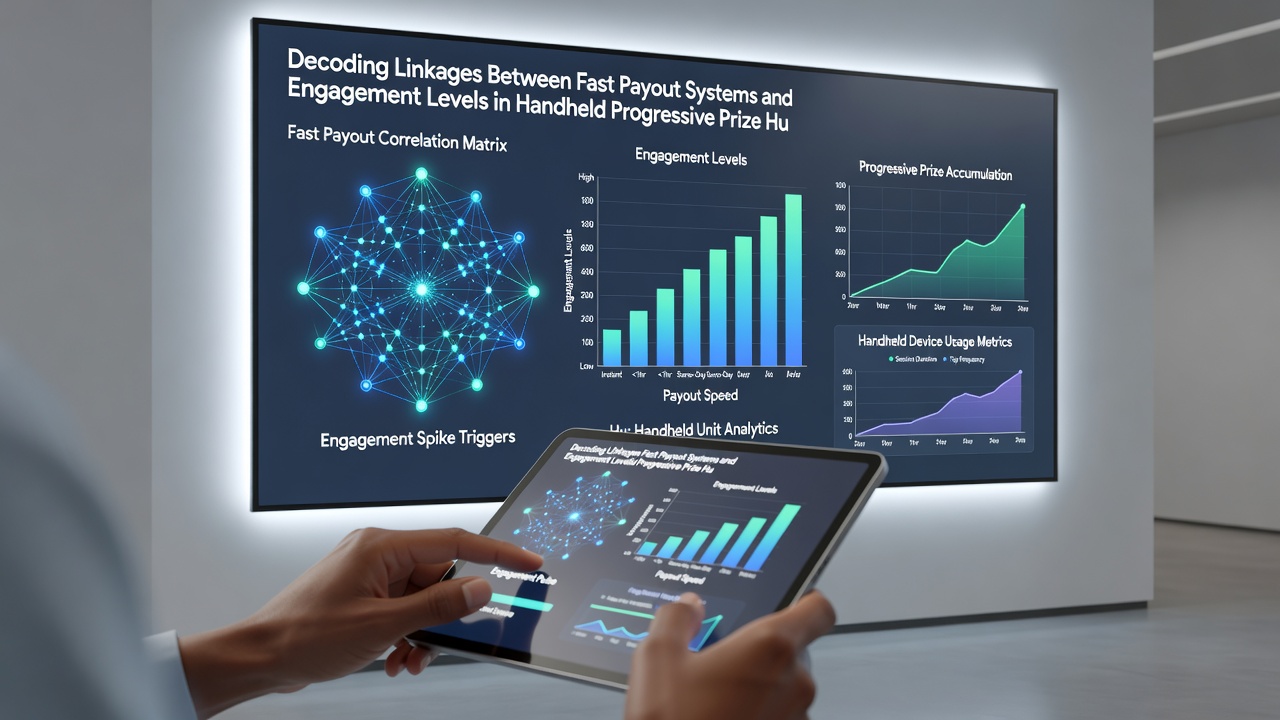
Engagement levels in these hunts track through metrics such as average session length, frequency of bonus triggers, and progression through prize tiers. Fast payouts correlate with higher retention because players reinvest winnings without interruption, sustaining momentum in progressive rounds. Researchers at academic institutions have documented that immediate access to funds reduces drop-off points where delays typically occur.
What's interesting here involves the timing of these transfers during peak hours, when simultaneous prize hunts generate clustered wins. Systems that maintain consistent sub-60-second processing keep users within the application environment, whereas slower alternatives often lead to session abandonment. Figures from mobile analytics providers reveal that engagement spikes align closely with payout speed thresholds below two minutes.
As developments in June 2026 highlighted continued expansion in portable gaming markets, operators refined payout algorithms to handle increased transaction loads without compromising verification accuracy. This period saw several platforms introduce tiered speed options tied to loyalty status, further linking payout velocity to sustained participation.
Regional Data and Comparative Studies
Comparative analysis across markets indicates variations based on local infrastructure. In regions with advanced digital banking, such as parts of Australia, fast payout adoption reached higher penetration rates, and corresponding engagement data from the Australian Gambling Research Centre pointed to elevated interaction frequencies. European operators, meanwhile, integrated similar features under evolving EU frameworks, yielding parallel results in session continuity.
Take one operator in the North American market that synchronized payout confirmations with progressive meter updates. That adjustment produced extended play cycles, as documented in quarterly performance summaries. The linkage appears consistent across device types, from smartphones to tablets, where network latency remains the primary variable affecting perceived speed.
Factors Influencing the Connection
Several elements mediate the relationship between payout velocity and engagement. Security protocols must balance speed with fraud detection, and platforms that optimize both maintain higher trust levels among users. Notification systems that alert players to completed transfers reinforce the cycle, prompting immediate re-entry into active prize hunts.
But here's the thing: infrastructure investments in cloud-based processing have allowed smaller operators to match the capabilities of larger networks, narrowing gaps in engagement outcomes. Studies from university-led projects on digital gaming behaviors confirm that these technical upgrades translate into measurable differences in user retention curves over multi-week periods.
Conclusion
The linkages between fast payout systems and engagement levels in handheld progressive prize hunts rest on observable transaction data and participation records rather than isolated assumptions. As of June 2026, continued refinements in processing technology support ongoing monitoring of these connections across global markets. Industry reports and regulatory filings continue to provide the primary sources for tracking how instant fund access shapes player behavior in portable environments.