Charting Transaction Pathways to Leaderboard Ascents in Portable Reel Events, Live Interactions, and Tiered Reward Structures
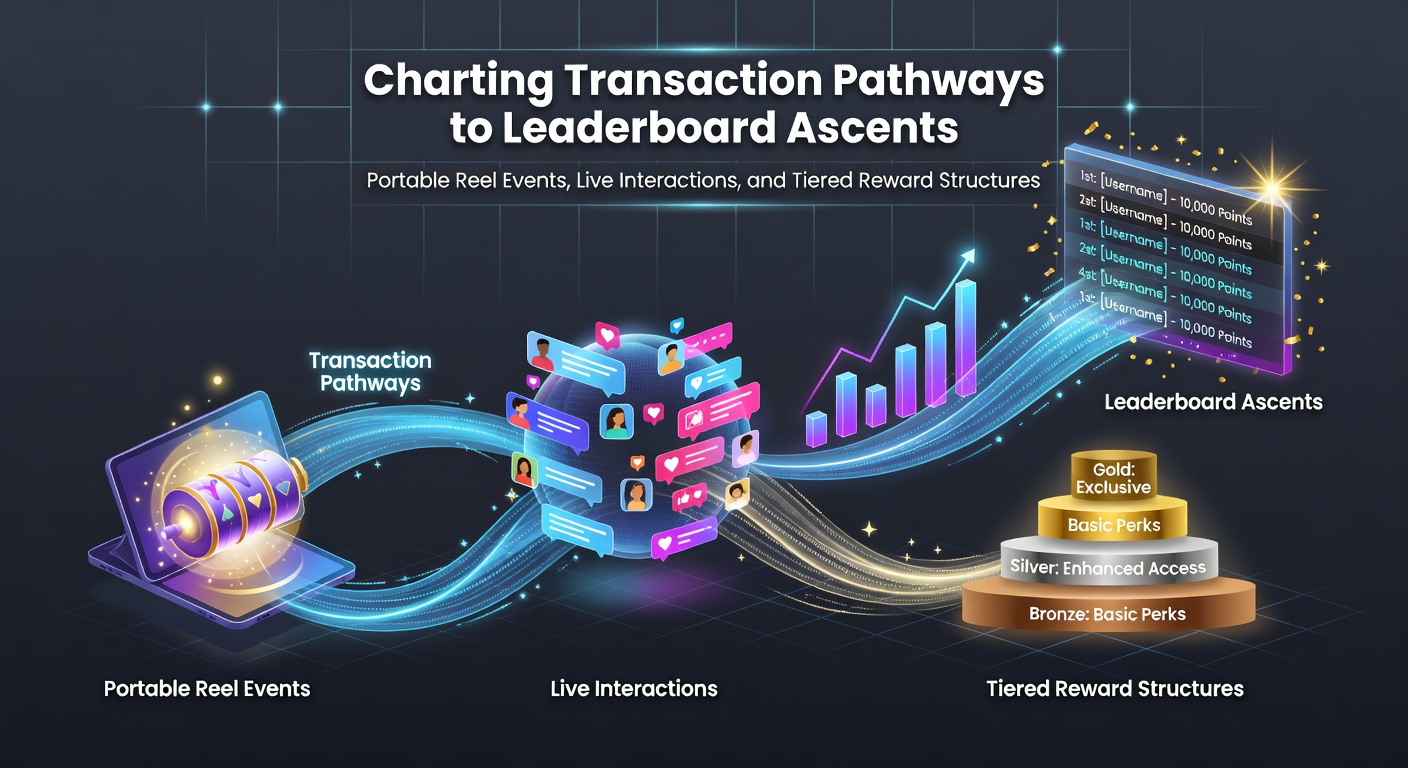
Transaction pathways in portable reel events connect payment processing directly to position gains on competitive leaderboards, while live interactions and tiered reward structures add layers that track player progression through sequential deposits and activity markers. Observers note that these systems rely on integrated payment rails which record each transfer, wager, and payout in real time so that operators can map how funds move from user accounts into game mechanics and onward to reward tiers.
Mapping Payment Routes in Portable Reel Events
Portable reel events operate through mobile applications where users initiate deposits via digital wallets, card processors, or bank transfers, and those transactions feed into session logs that update leaderboard standings based on accumulated points or win multipliers. Research from industry monitoring groups shows that in May 2026 several platforms recorded average deposit frequencies of three to five per active user during tournament windows, with each entry triggering an immediate recalculation of ranks. Data indicates that the sequence begins with authentication at the payment gateway, moves through risk verification protocols, and lands in a centralized ledger that assigns reel spin credits proportionally to the transaction value.
Those who've studied these pathways find that delays at any verification step can shift a player's leaderboard timing, since rankings refresh on fixed intervals that reward the earliest confirmed activity. One documented pattern reveals that users completing deposits during peak evening hours often climb faster because concurrent live leaderboards pull from the same transaction pool, creating visible surges in position changes within minutes of fund clearance.
Live Interactions and Their Influence on Ascents
Live interactions extend the transaction chain by linking real-time dealer sessions to portable reel progressions, where participants place side bets or entry fees that register alongside main game activity. Figures from platform analytics reveal that players who combine live table entries with reel event deposits see compounded point multipliers, because the system merges data streams from both environments into a single leaderboard metric. This integration means a single payment can influence multiple ranking categories at once, provided the transaction clears before the next leaderboard snapshot.
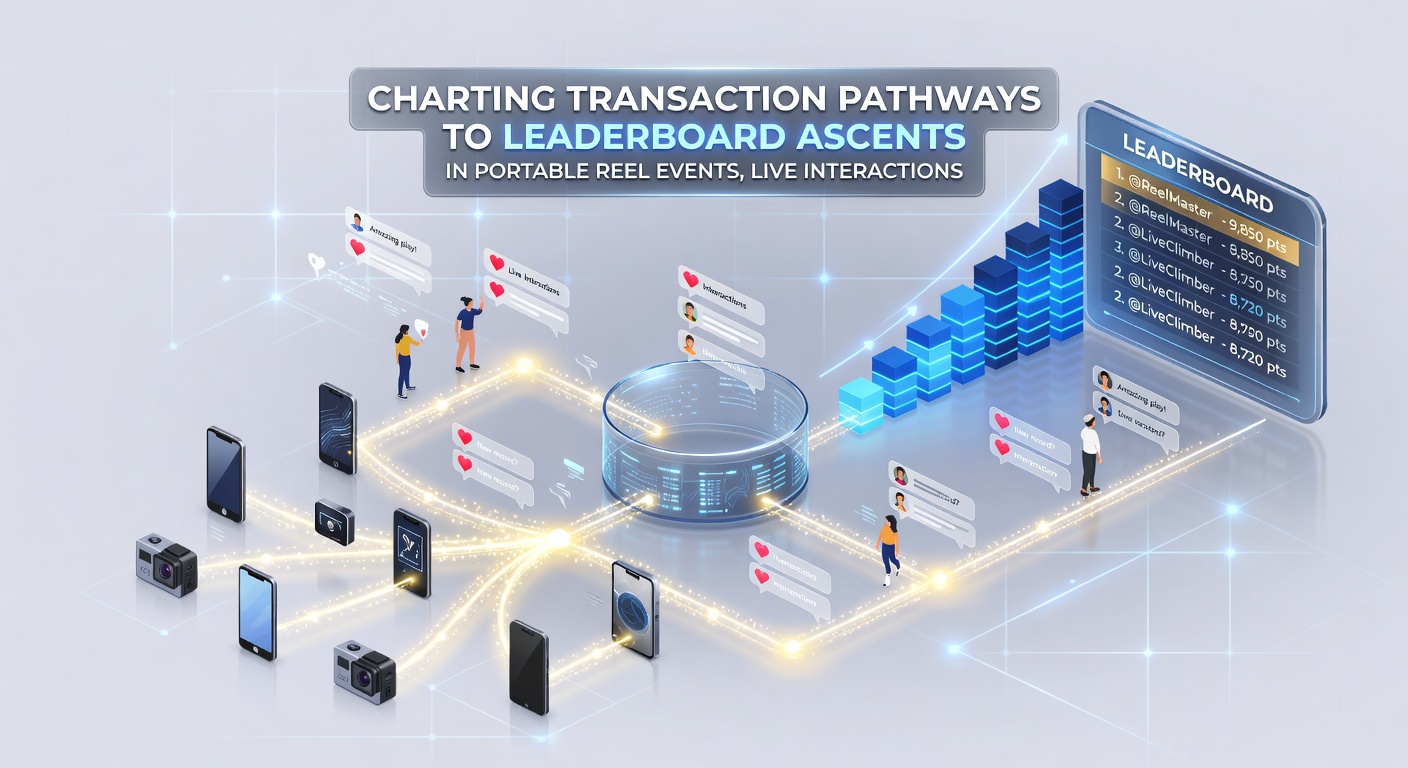
According to reports issued by the American Gaming Association, cross-format participation rose steadily through early 2026, with transaction volumes in live segments contributing roughly 28 percent of total leaderboard point allocations during monitored periods. What's interesting is how the pathways diverge after the initial deposit: live bets route through dedicated dealer servers that timestamp each action, while reel events feed the same funds into algorithmic spin engines, yet both update the shared ranking database without requiring separate reconciliation steps.
Tiered Reward Structures and Transaction Triggers
Tiered reward structures activate once transaction histories meet predefined thresholds, granting users access to higher reward brackets that include bonus credits, exclusive events, or accelerated leaderboard multipliers. Studies conducted by the Australian Gambling Research Centre indicate that players reaching the second reward tier typically complete between seven and nine qualifying transactions within a thirty-day window, after which their ascent rate on combined reel and live leaderboards increases by measurable margins. The structure operates on cumulative ledgers that log every deposit amount, game type, and interaction duration so that automatic tier advancement occurs without manual intervention.
Observers note that the connection between tiers and leaderboards becomes clearest when a payment unlocks a multiplier that retroactively boosts prior session scores, allowing a player to overtake competitors who remain in lower tiers. This mechanism relies on continuous data synchronization across mobile networks, ensuring that even brief connectivity interruptions do not erase transaction records once they reach the central server.
Tracing End-to-End Pathways with Current Examples
End-to-end tracing starts at the user's device where a payment method is selected, continues through processor authorization that typically completes in under ten seconds, and concludes at the operator's analytics dashboard where leaderboard algorithms apply the new data. In May 2026 several operators published summaries showing that 62 percent of top-ten leaderboard positions originated from users who maintained consistent transaction patterns across both portable reels and live sessions rather than concentrating activity in a single format. These summaries also highlight how tiered rewards function as checkpoints that lock in point advantages for subsequent ranking periods.
One documented case from a North American platform demonstrated that a sequence of three tier-advancing deposits over forty-eight hours produced a net climb of forty-seven positions, because each payment activated live interaction bonuses that fed directly into the reel event scoring matrix. Such examples illustrate the direct causal link between payment timing, interaction volume, and final leaderboard placement without intermediate manual adjustments.
Conclusion
Transaction pathways in these environments form a continuous record that ties deposits to leaderboard movement through portable reel events, live interactions, and tiered rewards, with each component updating shared databases in sequence. Data from regulatory and research bodies continues to document how payment clearance speed, interaction frequency, and tier thresholds determine ascent rates across platforms operating in 2026. The resulting maps provide operators and analysts with precise visibility into the mechanics that convert financial activity into competitive positioning.